
Sustainability
At Brushwood, we are committed to creating a more sustainable, healthy, and environmentally friendly school community. Our sustainability strategy supports children to become informed, responsible caretakers of the planet. By working together with children, staff, parents, governors and our wider community, we aim to build a greener future for everyone.
Eco Committee
The eco-committee is made up of a representative from each class, and it is their job to encourage everyone at school to be more eco-friendly in their actions. They help with the WOW travel tracker, awarding badges to those who regularly walk to school. They spot check classrooms for lights and whiteboards left on and leave red cards to tell us when we need to improve! They help with the collection of plastics for recycling, maintain our wormery and many more important activities to help Brushwood be as eco-friendly as possible. The eco-committee have achieved Distinction in the Green Flag Award, two years running, for their hard work and commitment to making us all act more sustainably.
Gardening Club
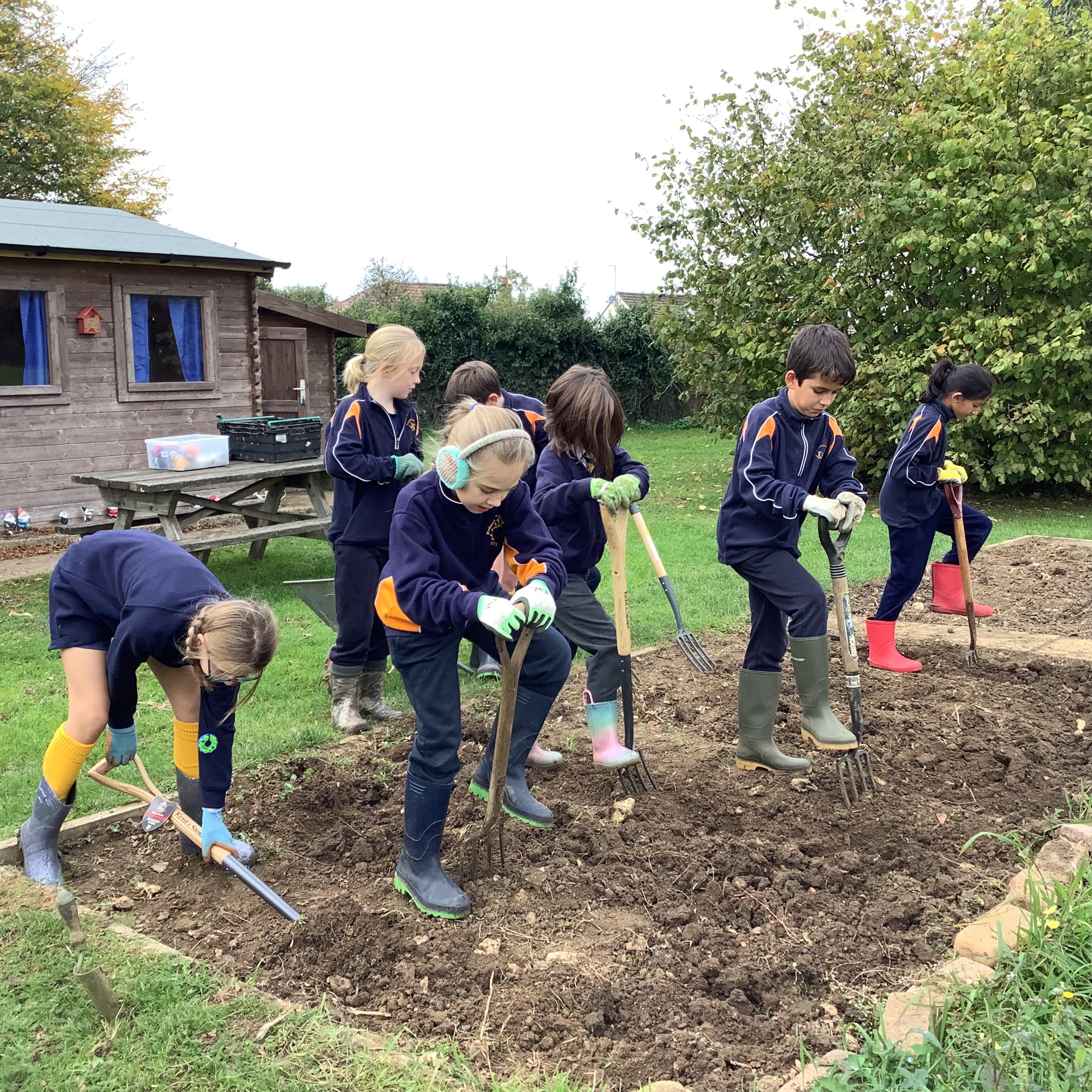
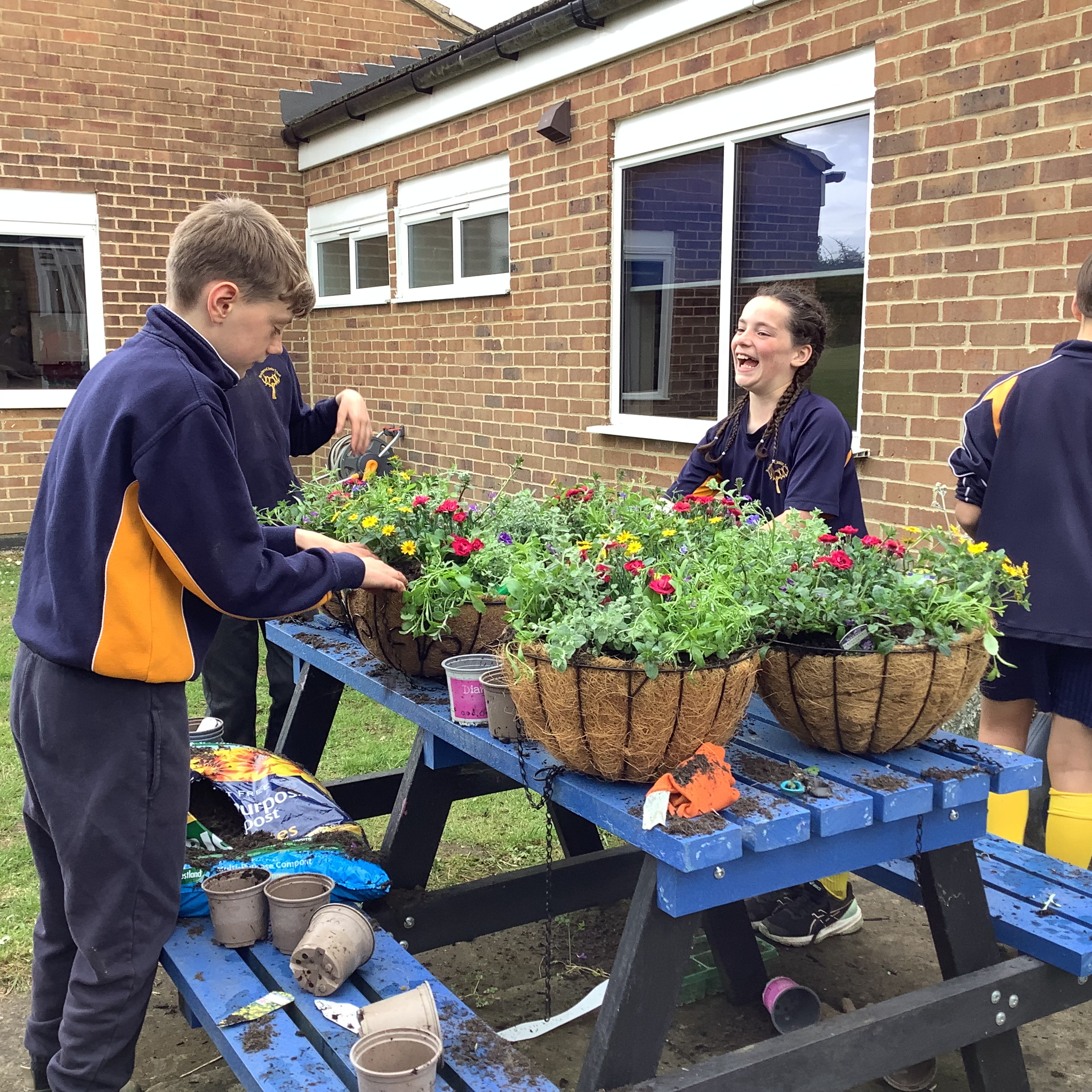
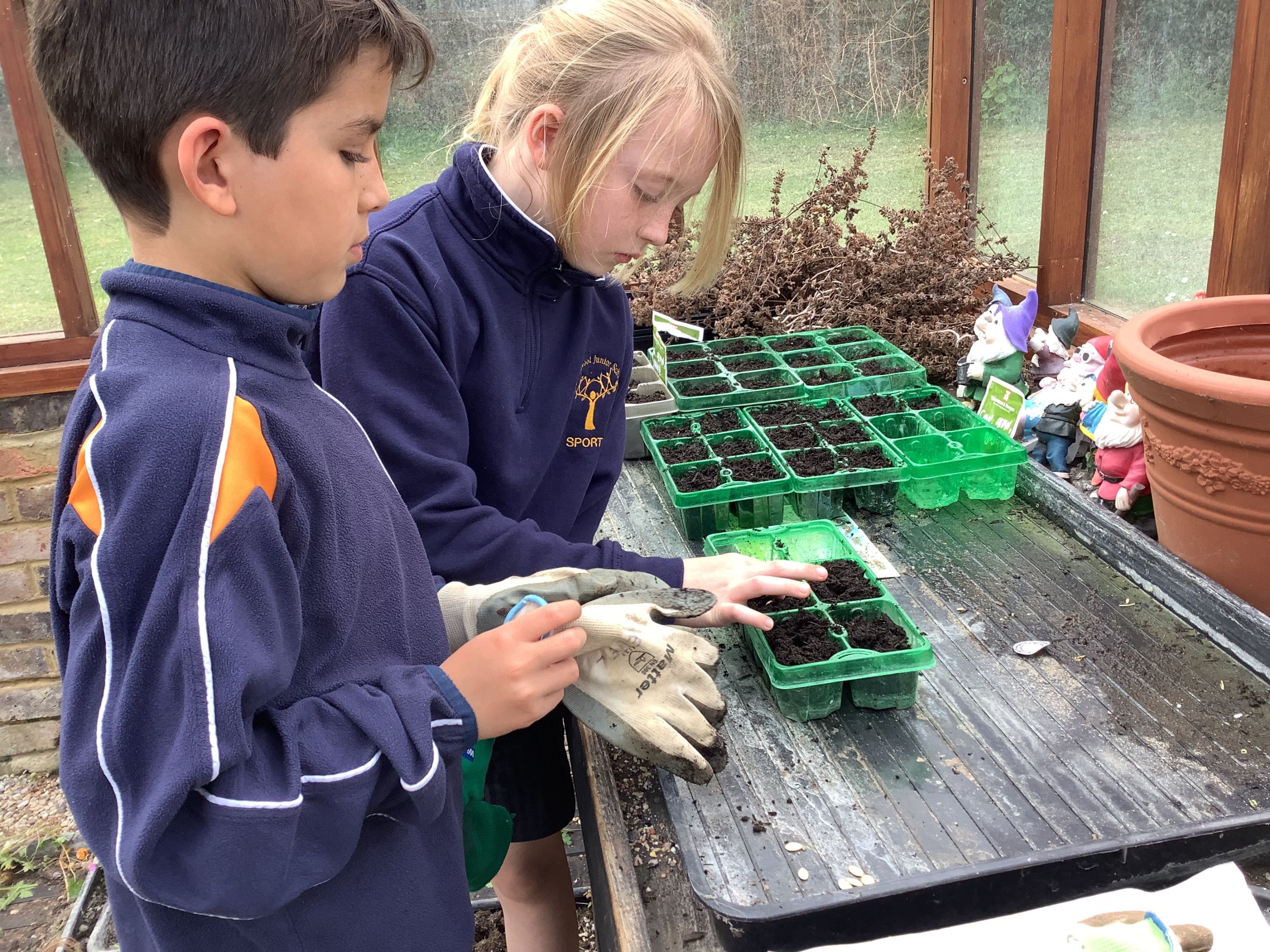
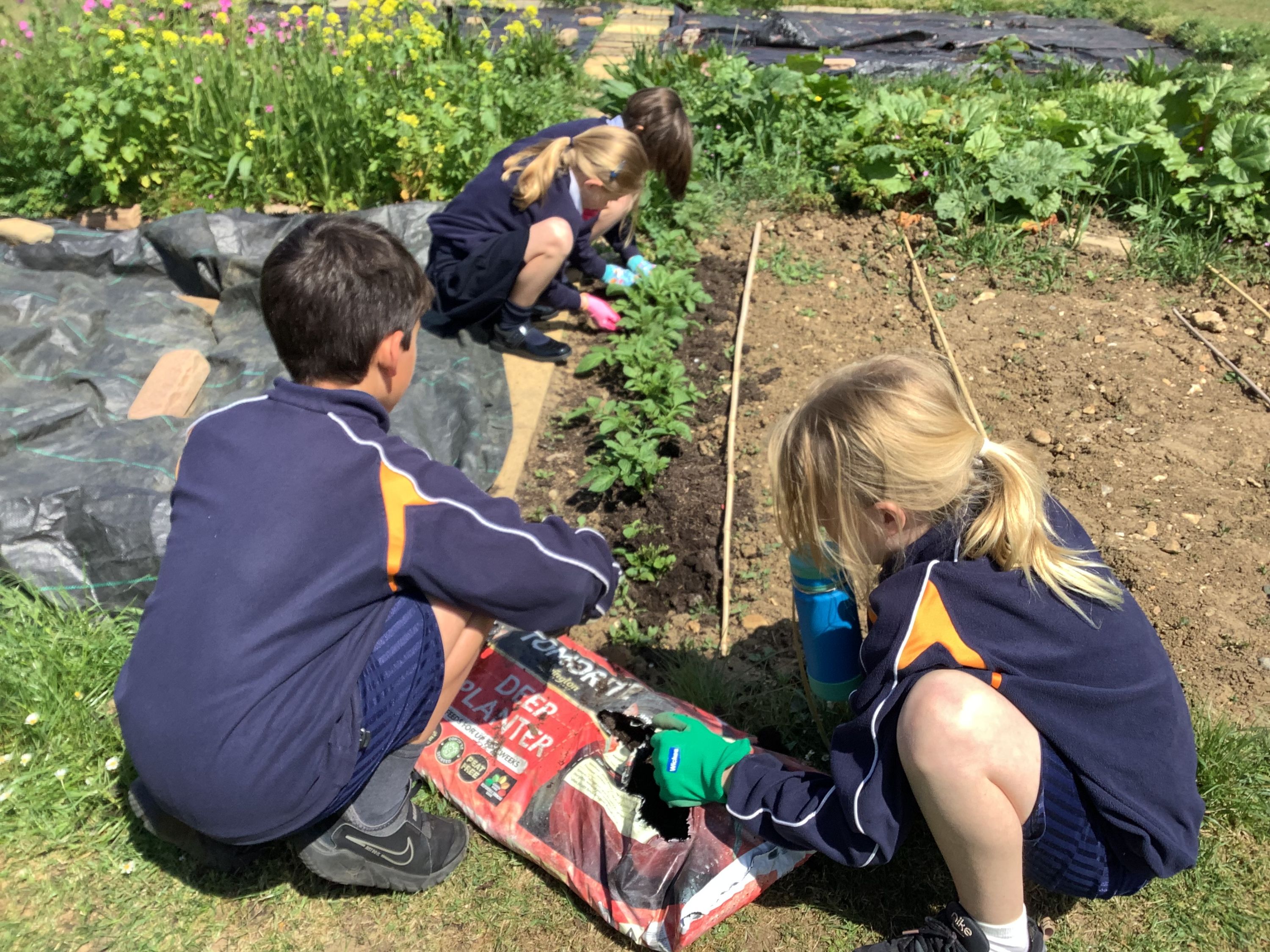
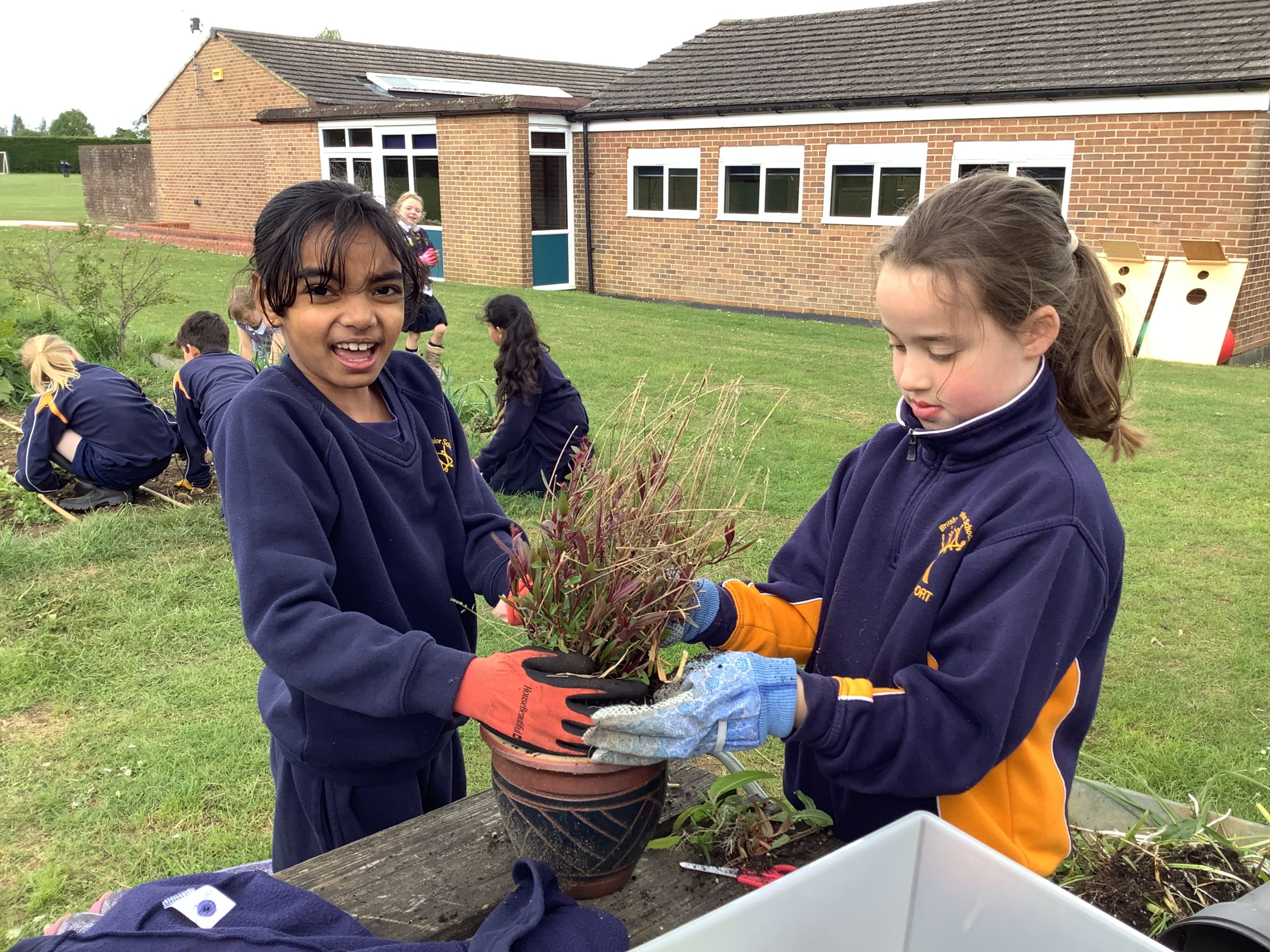
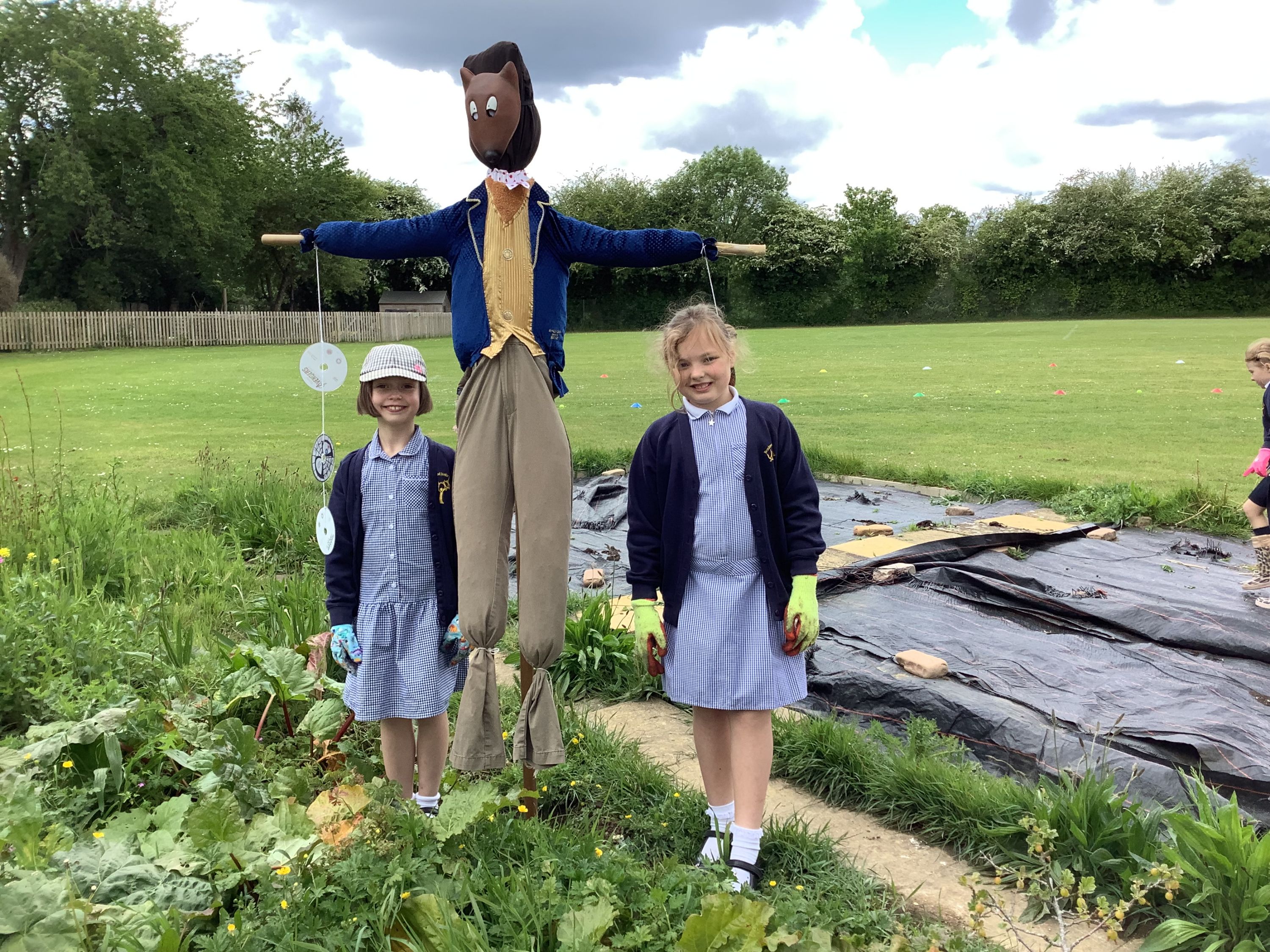
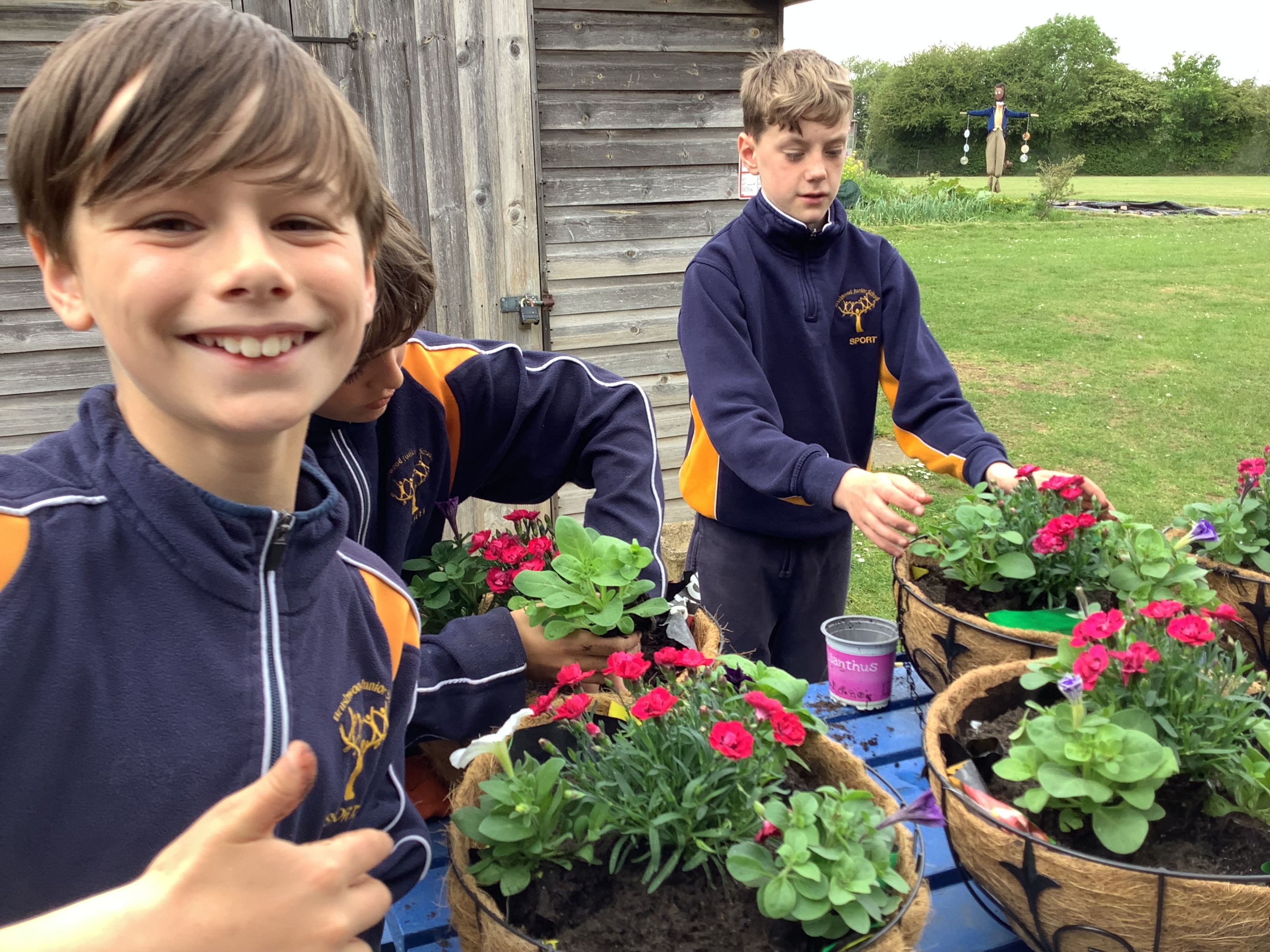
Our Gardening club provides children with hands-on opportunities to plant, cultivate and harvest flowers, fruit and vegetables. They learn where our food comes from whilst caring for the school environment. They also enjoy tasting the results!
Every year the gardening club takes part in the school's competition run by Chesham in Bloom. In the past winning silver gilt and gold. In 2024, as part of the Chesham entry for the Thames and Chiltern area, Britain in Bloom awards, we also won the Mark Mattock School's Award!
Forest School
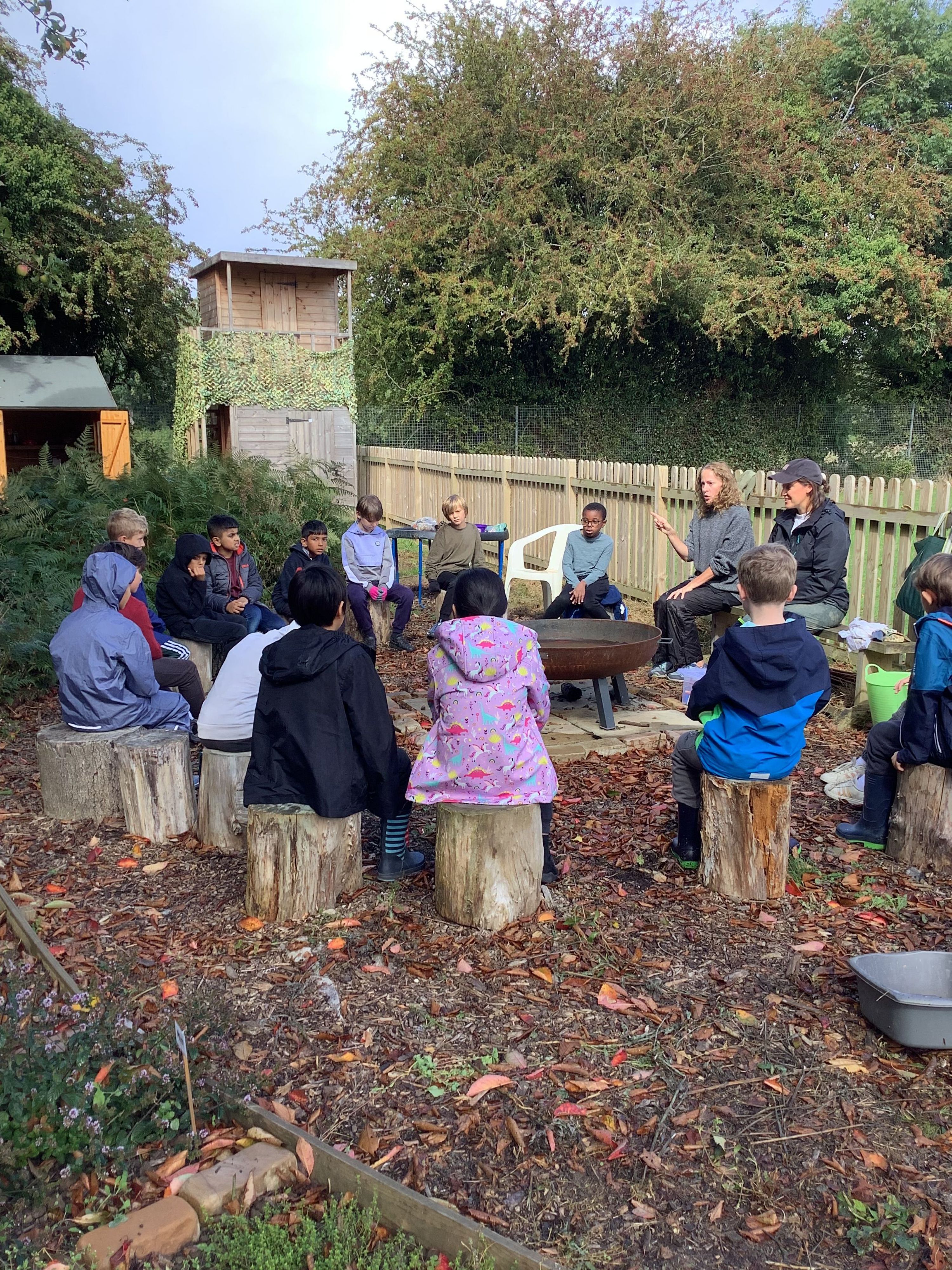
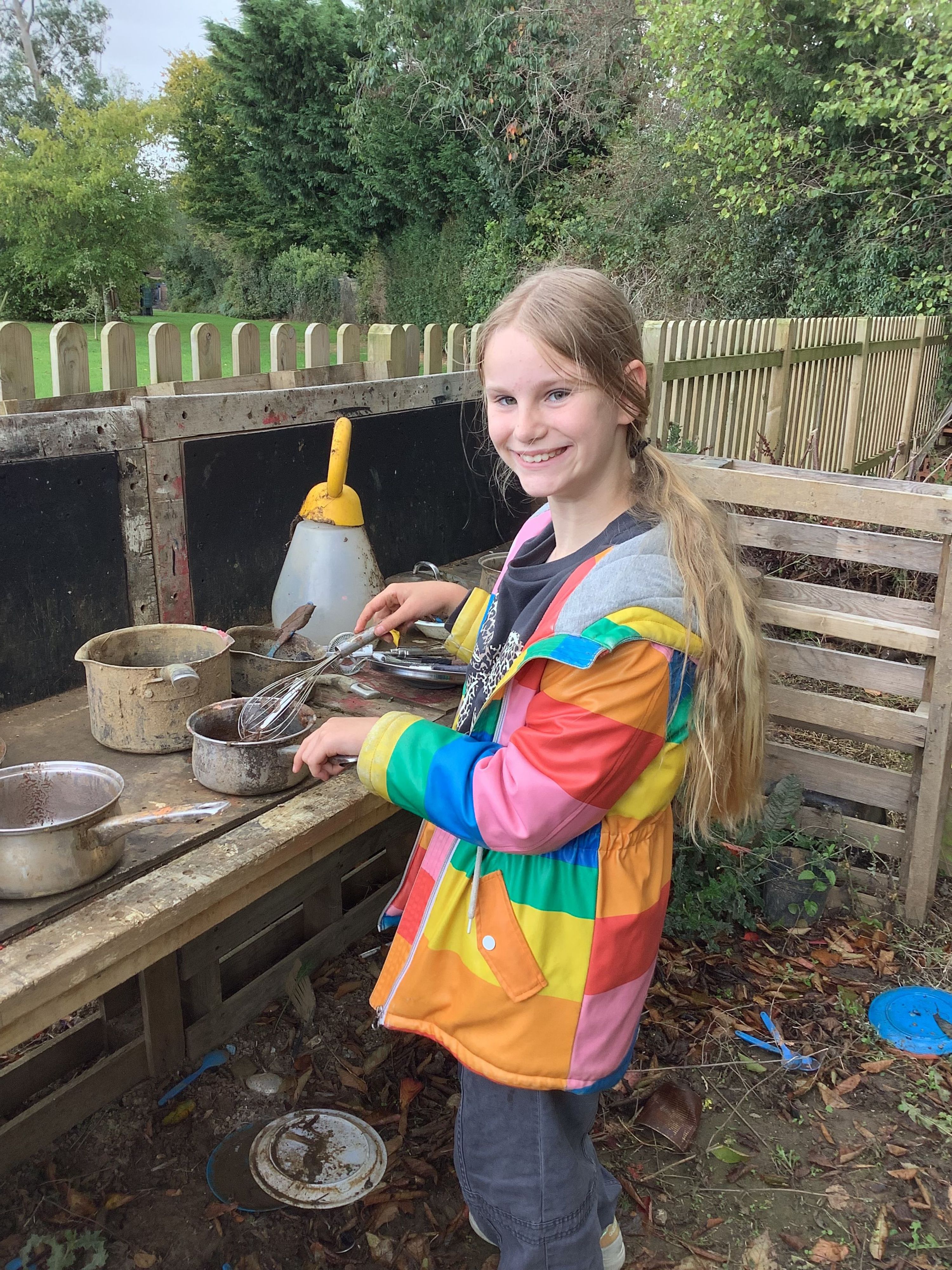
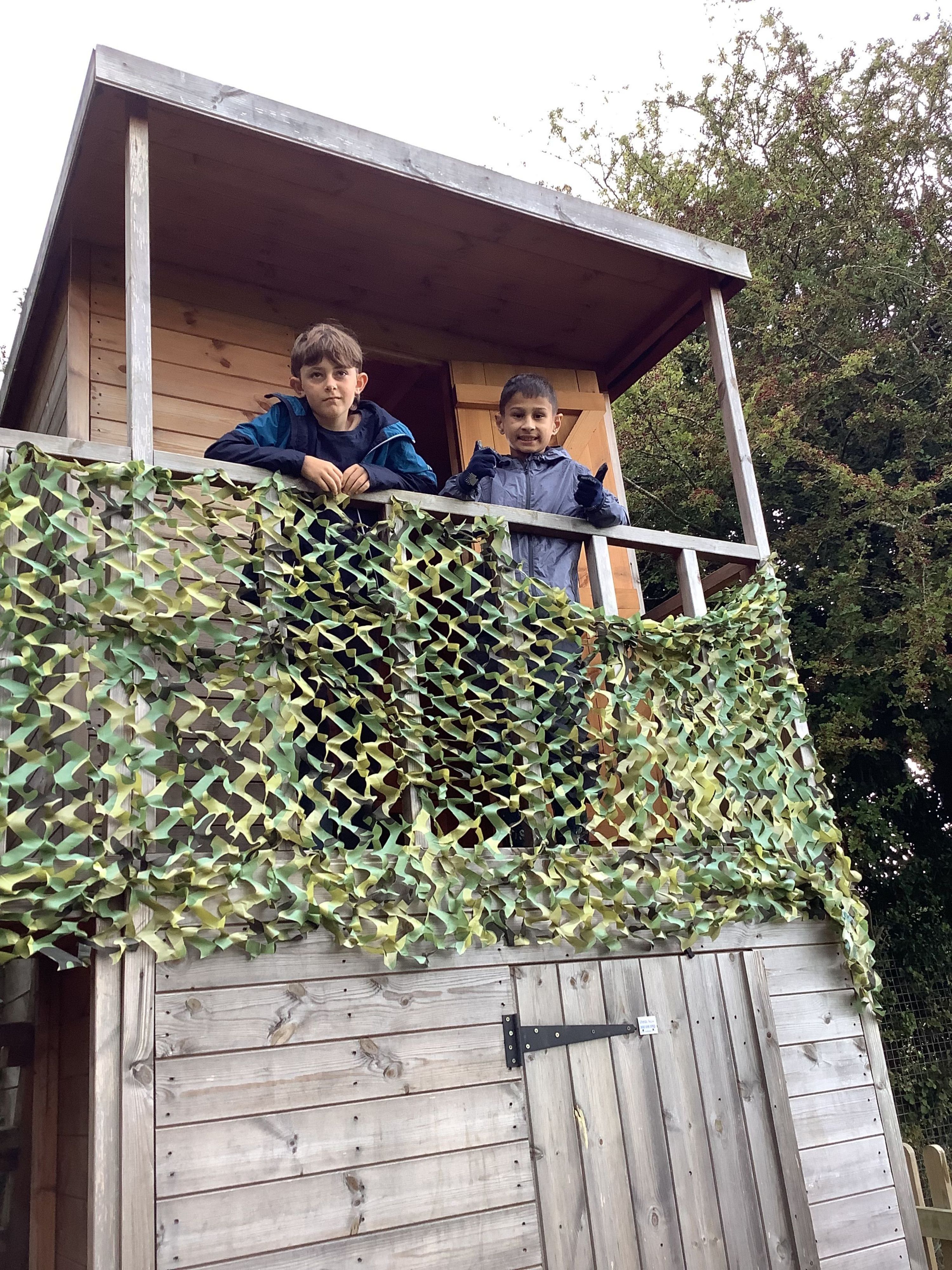
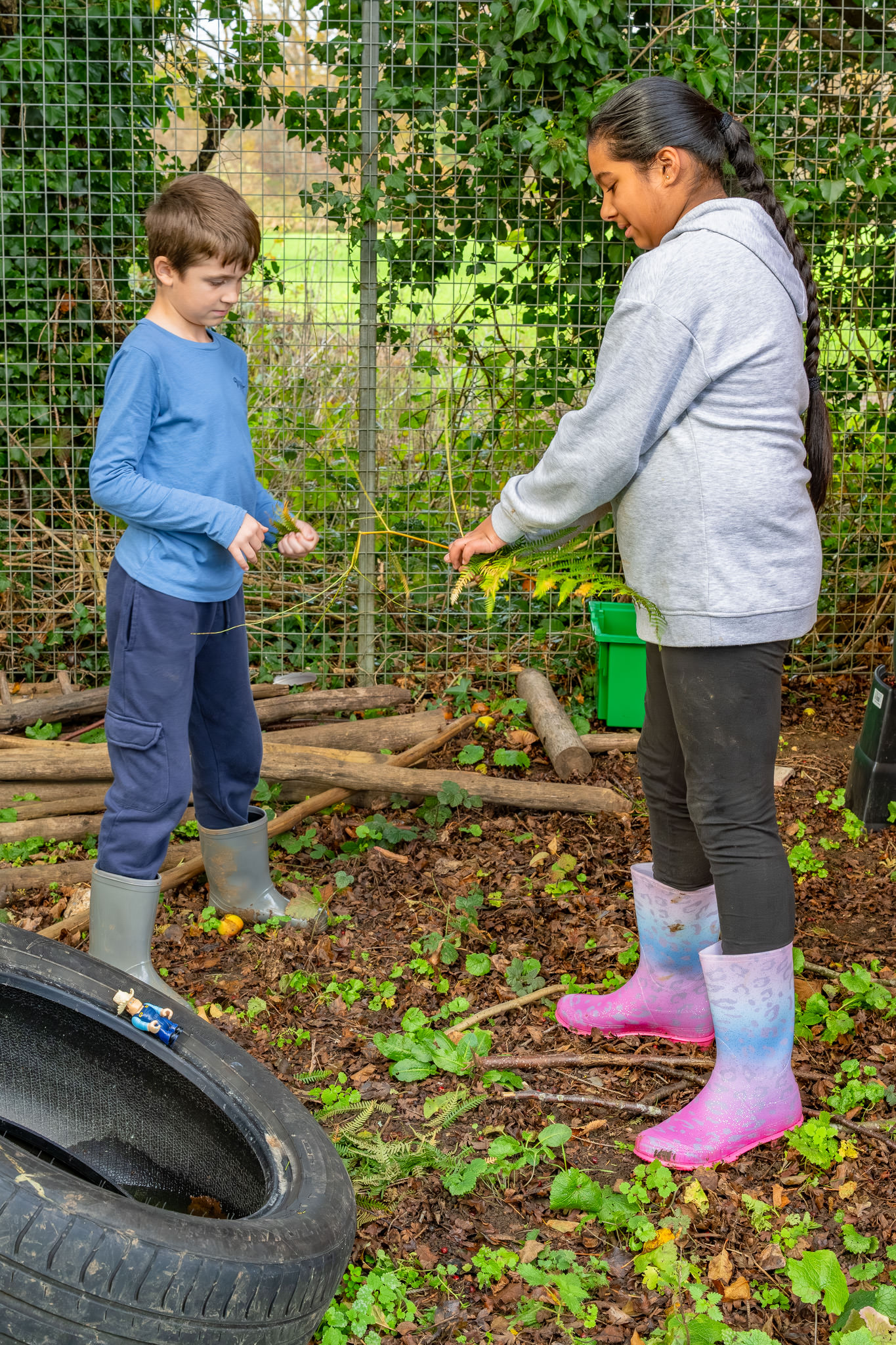
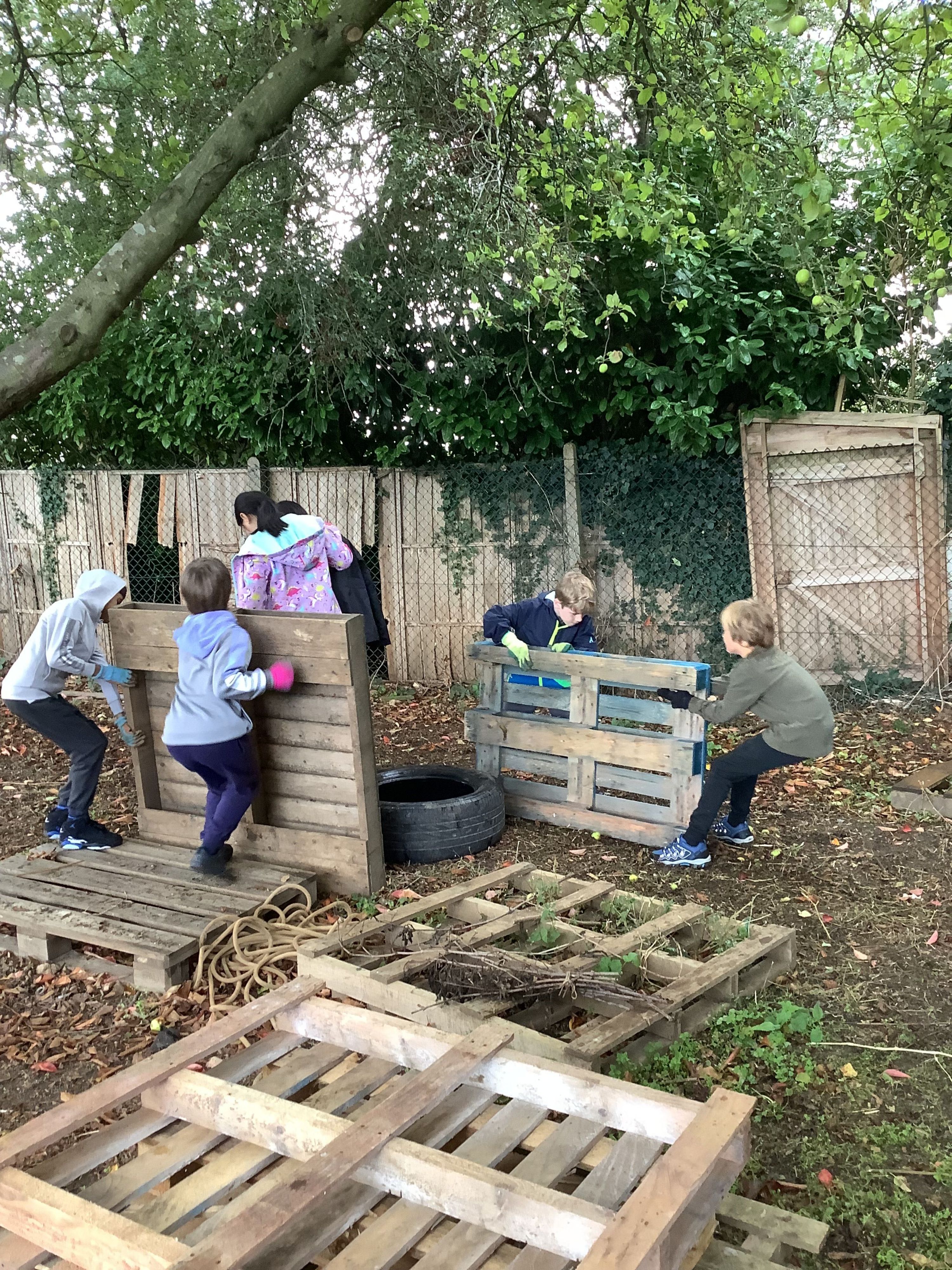
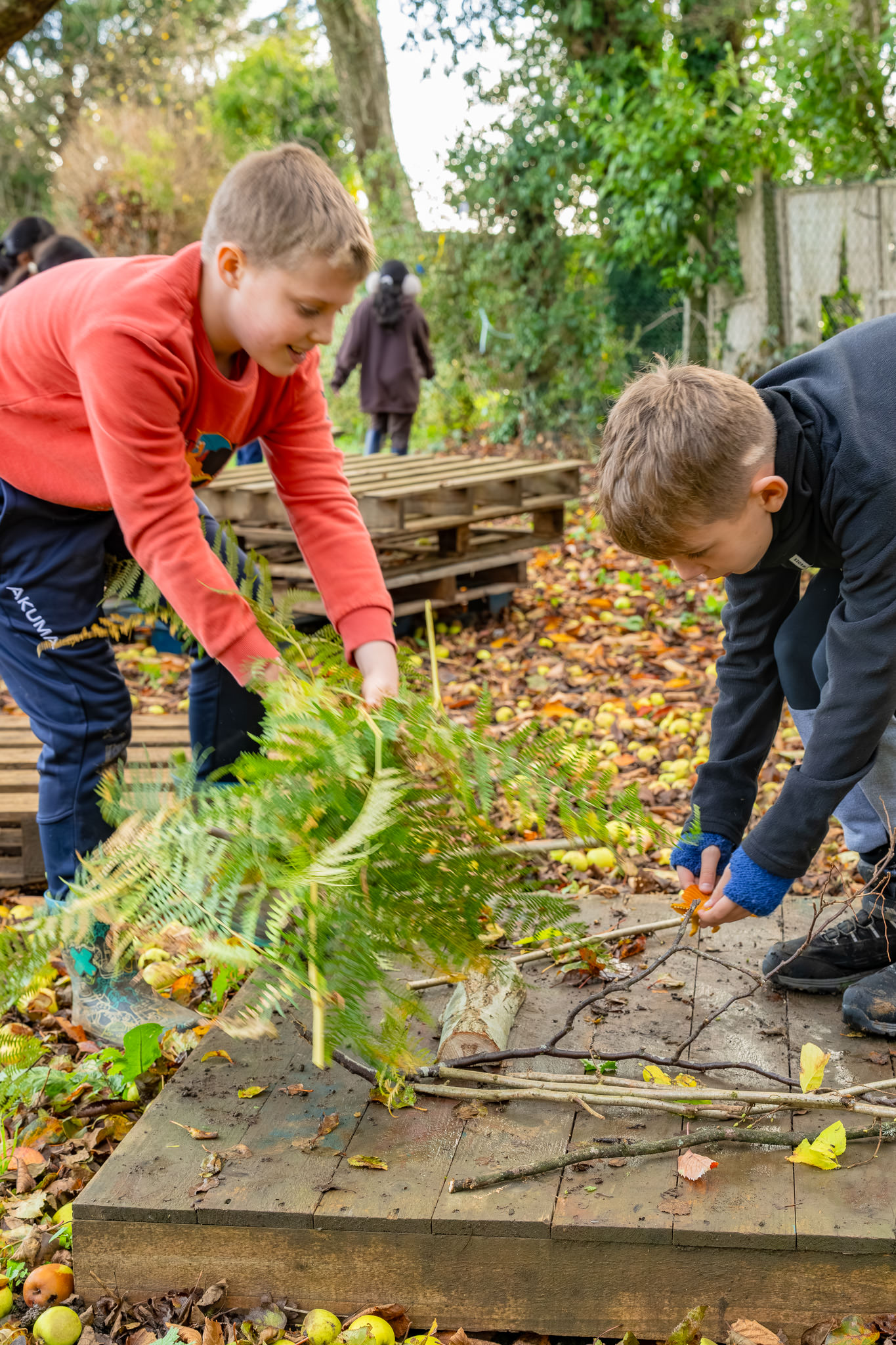
During their time at Brushwood, all children will experience lessons in our Forest school. They learn how to build a fire, make dens, whittle, identify local birds and animals from the hide, use plants to make dyes, experience the mud kitchen and toast marshmallows on the campfire.
Whilst doing this, they also learn valuable skills such as collaboration, creativity, resilience and challenge. They learn to take risks and manage them safely whilst problem-solving and increasing their independence.
This year we have also been able to open our Forest school to Y2 children from Newtown school, as they learn to be future Brushwood Eco-warriors!
Sustainability in the Curriculum
Sustainability Theme Week
In June 2025, the whole school came together to take part in a Sustainability Theme week. We learnt about recycling and upcycling, using empty tins as plant pots and planting our own seedlings. We had some fascinating visits from members of the local community talking about making the most of our food, supporting our countryside and taking care of our rivers, and at the end of the week we had an amazing 'Trashion' show where we designed clothes from waste materials and then paraded on the catwalk!
Year 3
The Year 3 children learn about where food comes from and about 'food miles'. They meet with Mrs Smith, the School Business Manager, to hear about where our hot lunches come from and ask her lots of tricky questions to find out how sustainable our school meals are.
Year 4
In Year 4, the children explore our local woodland. They look at the way this is used by both animals and people. They learn about the woodland habitat and how we can protect it whilst thinking about the effects of climate change and deforestation.
Year 5
Each year, the Year 5 children walk down to the River Chess to conduct a water survey. We are really lucky to have a rare chalk stream in our town, and they learn about the importance of chalk streams and how our river is maintained. They analyse water samples and observe the wildlife on the river.
Year 6
As part of their Science lessons, Year 6 complete a project about the use of solar panels. This involves researching the best location, finding out how much they might cost and how effective they could be. We learn about different sources of energy and which are most effective and eco-friendly.
During the spring term, Year 6 take a trip into Chesham to find out about how noise pollution and litter affect the residents of our town. The children compare different areas around our town and record sound measurements. They also conduct surveys with members of the community to gather information about what they like about our town and ideas about how it could be improved.
The greatest threat to our planet is the belief that someone else will save it.
‘How are you doing your part?’